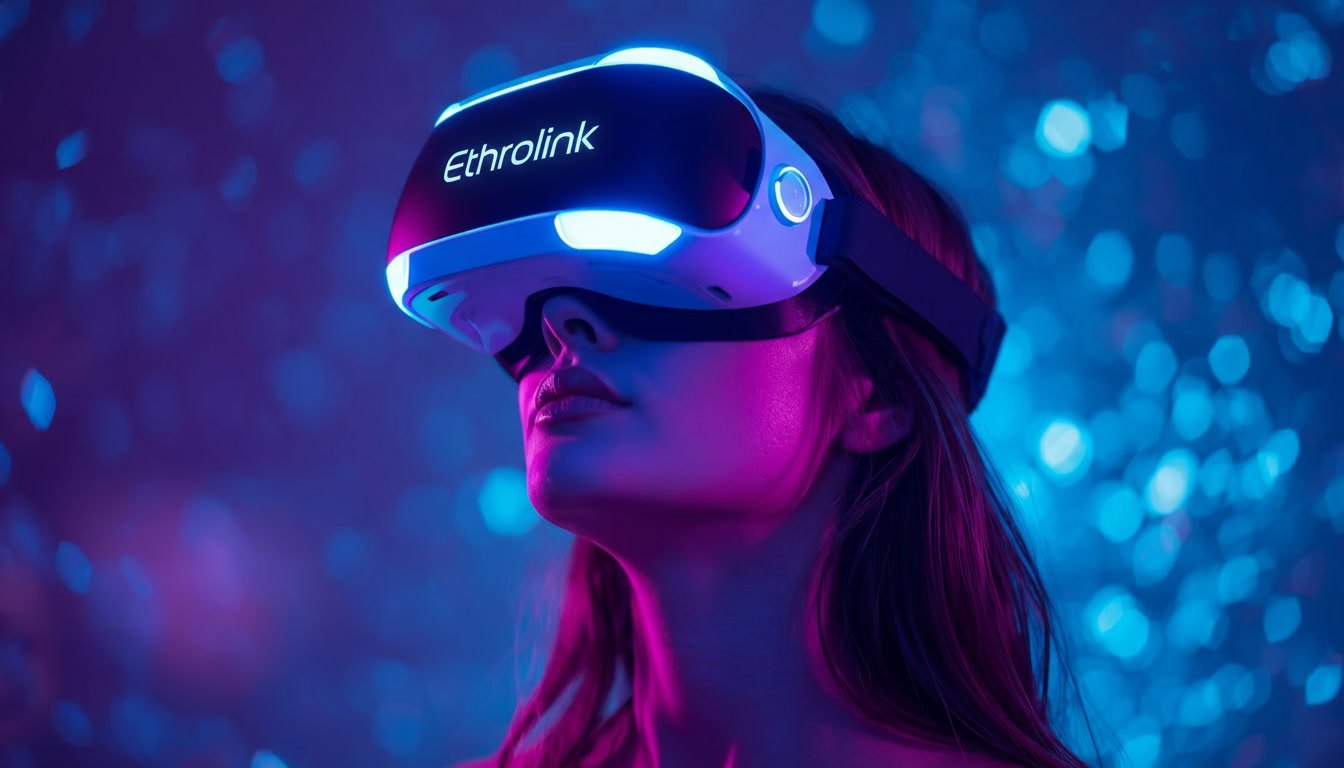
Augmented Reality (AR) has evolved from a niche technology into a transformative force that's reshaping how we interact with both digital and physical worlds. Unlike Virtual Reality (VR), which creates entirely synthetic environments, AR overlays digital information onto our real-world surroundings, creating a blended experience that enhances our perception of reality.

The Current State of AR Technology
Today's AR technology has moved beyond simple smartphone filters to sophisticated systems that understand and interact with the physical environment. Modern AR applications can:
- Recognize and track objects in real-time
- Understand spatial relationships and depth
- Respond to environmental lighting conditions
- Enable collaborative multi-user experiences
- Integrate with IoT devices and sensors
These capabilities are powered by advances in computer vision, machine learning, and sensor technology, making AR more accurate, responsive, and immersive than ever before.
AR in Retail and E-commerce
One of the most visible applications of AR is in the retail sector. Companies are using AR to bridge the gap between online and in-store shopping experiences:
Furniture retailers like IKEA allow customers to visualize how products would look in their homes before purchasing. Cosmetic companies offer virtual makeup try-ons, and clothing brands enable customers to see how garments would fit without physically trying them on.
Industrial and Enterprise Applications
Beyond consumer applications, AR is revolutionizing industrial and enterprise workflows:
- Manufacturing: AR overlays provide assembly instructions, highlight components, and display real-time data during production processes.
- Maintenance and Repair: Technicians can access schematics, instructions, and expert guidance hands-free while working on equipment.
- Training: AR creates immersive training environments that accelerate learning while reducing risks and costs associated with traditional training methods.
- Design and Prototyping: Architects and engineers can visualize 3D models in real-world contexts, facilitating better design decisions.

The Future of AR Interfaces
As AR technology continues to evolve, we're moving toward more natural and intuitive interfaces:
Spatial Computing: Future AR systems will understand and interact with the physical world in more sophisticated ways, creating persistent digital content that's anchored to specific locations.
Wearable AR: While current AR experiences are primarily smartphone-based, the next generation will be powered by lightweight, stylish glasses that we'll wear throughout the day.
AI Integration: Artificial intelligence will make AR systems more contextual and personalized, anticipating user needs and providing relevant information at the right moment.
Challenges and Considerations
Despite the exciting potential, AR technology faces several challenges:
- Hardware Limitations: Current AR glasses struggle with field of view, battery life, and processing power.
- Privacy Concerns: Always-on cameras and sensors raise significant privacy questions that need addressing.
- Digital Divide: As AR becomes more integrated into daily life, ensuring equitable access will be crucial.
- Content Creation: Developing high-quality AR experiences requires specialized skills and tools.
As these challenges are addressed, AR will increasingly become an invisible layer that enhances our reality rather than a technology we consciously interact with.
The journey toward ubiquitous augmented reality is well underway, and its impact on how we work, learn, shop, and socialize will only continue to grow in the coming years.
← Back to Blog