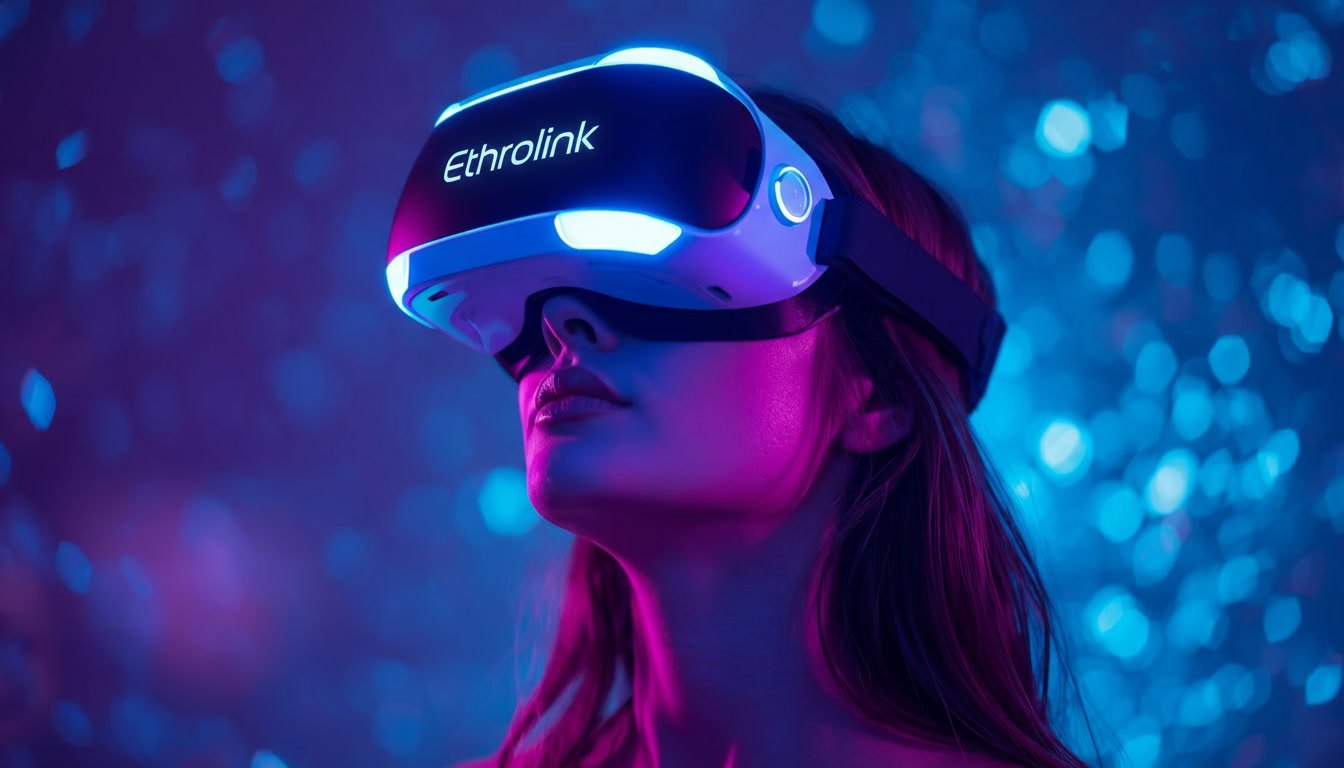
Mixed Reality (MR) represents the next evolutionary step in immersive technologies, bridging the gap between the entirely real and completely virtual. Unlike Augmented Reality which overlays digital content, or Virtual Reality which creates fully synthetic environments, MR enables natural and intuitive interactions between users, real-world objects, and digital content.

Understanding the Mixed Reality Spectrum
Mixed Reality exists on a continuum between completely real and completely virtual environments. This spectrum includes:
| Technology | Environment | User Interaction | Primary Use Cases |
|---|---|---|---|
| Real World | 100% Physical | Direct physical interaction | Daily activities, traditional work |
| Augmented Reality | Mostly physical with digital overlays | Screen-based or limited spatial interaction | Navigation, retail, basic information display |
| Mixed Reality | Seamless blend of physical and digital | Natural interactions with both real and virtual objects | Design, collaboration, complex training |
| Virtual Reality | 100% Virtual | Completely virtual interactions | Gaming, simulations, virtual tours |
Key Technologies Powering MR
Spatial Mapping and Understanding
Advanced sensors and computer vision algorithms create detailed 3D maps of physical environments, allowing digital content to interact realistically with real-world surfaces and objects.
Environmental Understanding
MR systems recognize and classify objects, understand lighting conditions, and track spatial relationships in real-time, enabling context-aware digital content placement.
Natural Input Methods
Gesture recognition, eye tracking, and voice commands allow users to interact with digital content using intuitive, human-centric methods rather than traditional controllers.

Enterprise Applications of Mixed Reality
Design and Engineering
MR is revolutionizing product design and engineering workflows:
- Virtual Prototyping: Create and manipulate 3D models in real-world context before physical production
- Collaborative Design Reviews: Multiple stakeholders can interact with and annotate virtual models simultaneously
- Ergonomics Testing: Evaluate product usability and human factors in realistic scenarios
- Factory Layout Planning: Visualize and optimize production line layouts before implementation
Remote Assistance and Collaboration
MR enables new forms of remote work and expertise sharing:
- Expert Guidance: Remote experts can see what field technicians see and provide visual annotations in real-time
- Virtual Presence: Colleagues can collaborate as if they're in the same physical space, sharing and manipulating 3D content
- Training and Onboarding: New employees can learn complex procedures with interactive guidance overlays
- Maintenance and Repair: Step-by-step instructions appear exactly where needed on physical equipment
Consumer Applications and Future Trends
While enterprise adoption leads the way, consumer MR applications are rapidly emerging:

Entertainment and Gaming
MR creates entirely new forms of interactive entertainment:
- Spatial Games: Games that use physical spaces as playing fields with digital enhancements
- Interactive Storytelling: Narrative experiences that blend physical and digital elements
- Social Experiences: Shared virtual spaces that maintain connection to physical reality
- Educational Entertainment: Learning experiences that make abstract concepts tangible
Retail and Commerce
MR is transforming how consumers shop and interact with products:
- Virtual Try-On: More advanced than AR, with realistic physics and material simulation
- Spatial Product Visualization: See how furniture, appliances, and decor fit in actual living spaces
- Interactive Shopping Assistants: AI-powered guides that understand context and preferences
- Virtual Showrooms: Browse and customize products in immersive digital environments
Challenges and Future Development
Despite rapid progress, MR technology faces several significant challenges:
Hardware Limitations: Current MR headsets struggle with field of view, battery life, comfort, and processing power. Next-generation devices will need to approach the form factor of regular glasses while maintaining high performance.
Content Ecosystem: Creating compelling MR experiences requires new design paradigms and development tools. The industry needs standardized platforms and more accessible creation tools.
Social Acceptance: Wearing headsets in public and interacting with invisible digital content presents social challenges that will need to be addressed as the technology matures.
Privacy and Security: Always-on cameras and sensors collecting detailed environmental data raise important privacy concerns that must be balanced with functionality.
The Road Ahead
As mixed reality technology continues to evolve, we can expect:
- More Natural Interfaces: Brain-computer interfaces and more sophisticated gesture recognition
- Seamless Device Integration: MR experiences that span multiple devices and contexts
- AI-Powered Context Awareness: Systems that anticipate user needs and provide relevant information
- Holographic Communications: Lifelike virtual presence for remote interactions
- Persistent Digital Worlds: MR content that remains anchored to physical locations over time
Mixed reality represents not just another computing platform, but a fundamental shift in how humans interact with information and each other. As the technology matures, the line between physical and digital will continue to blur, creating new possibilities for work, play, and human connection.
← Back to Blog